2018年1月21日日曜日

孤独な詩人&禅僧 ”良寛”

良寛の調べ
誰でも各自,生誕時与えられた固有の調べという物がある。しかし生涯一貫して自己の純粋な調べと共に生きその調べを完成させたものはそう多くはない。良寛像を見る。そこには良寛の調べの完成されたすべての具現がある。寂静、無心、諦念、無垢、清澄、謙虚、枯淡、内なる微笑、童心、全てが秋の枯葉舞うある日の夕暮巡錫を持ち、頭陀袋を下げ、夜道を山中幽居の住まいへとトボトボと歩いていく良寛の表出がある。
晩年托鉢中一老人問う、「何故、山峰に住む?」良寛答える。「そなた何故巷に住む?」この問答に良寛の調べの本質
がある。何故名主橘屋の長男と言う恵まれた社会的地位、富
を捨ててまで孤貧な生活を強いる禅僧の道を歩み出したかの理由の答えも。
何故世俗を捨てたか?
それは生涯失せることのなかったある晴れた日、晴着を身に纏い声高らかに戯れ興じる乙女たちの艶やかさに反応する
繊細多感なる詩人としての感性、そして世俗的欲望の欠如から生まれる無常感の性向にあったと僕は見る。そうしたタイプの人間は関心の対象は物より心に向けられ世間では浮いてしまう存在のきらいがあり、極端なケースは生活落伍者と言う烙印を押されてしまうのが常である。故に、人一倍孤独の深さは大きく絶対的心の支柱への渇望は尋常ではなく、一時の心の平安を求めて悪の道へと足を踏み外す者もいる。「人は死ぬ。なのに人は何故あのように笑っていられるのだろうか?」との問いが、午前の全てを射抜いてしまう明徹なる陽光の様な乾いた心に付着している。堅牢なる心の地盤を見出し生を歩み出すか?それとも生の苦しみから逃げるために欲望の中に逃げ込み心荒んだ一生を送るか?そのような人たちにとって健全なる市民生活の道は絶たれている。生か死か?事は逼迫している。そして良寛の選んだ道は物質的追及より精神的平安を優先したわけである。つまり良寛は山峰での隠棲的生き方のみが生き残る選択だったという事である。
何故禅を?
良寛は18歳の時得度し出家した。その選択した寺が禅寺であった事が良寛その人を物語り後の良寛の調べの展開に特別な意味を見出す。禅は他の仏教宗派と比較し徹底的に心の内を見つめることに重点を置く宗派である。よって衆生救済に力点を置く日蓮宗、浄土宗等と比べ個人主義者に向いている宗派と言われる所以である。良寛は組織の中で抜きんでた指導力を発揮するタイプではなく、むしろ内省的単独者である。良寛像に見られる下がった肩、下を向いた目線がそれを物語る。現在の岡山県の円通寺の10数年に及ぶ修行は熾烈極まるものであったろう。しかし良寛のようなタイプは人間の組織の中では脆いものの個としての耐性力は一般的に強いものを有しているものである。又、良寛は過酷な修業の苦しみの中に真の生の充実感の喜びを知り、日々の修行の積み重ねの中に後の人生をを支える固い心の地盤が築かれていくのを感じ取っていたとも言えるであろう。無常なる世の中にも肯定的な生き方がある。その肉体の経験を通した実感。そこに良寛固有の調べの発展がある。
良寛禅とは?
良寛は決して他の禅僧に見られる射抜くような鋭い眼光、そこにいるだけで威圧せしめる堂々とした風貌、人を食った挙動そして高笑いとは無縁の存在であった。枯葉舞う風に吹かれながら弱弱しい体を引きずりながら郷土越後の風光を歩き回る無為徒食の哀れな一僧侶。「山陰の岩間をつたう苔水の
棲家に我住みわたるかな。」の子供たちからあの変わった坊さんと称される存在であった。「雨の日はオロオロ歩きみんなにでくの坊と呼ばれ・・・」そうした全ての己を捨て去り切った存在であり続けること。それがもしかしたら禅の修行
そして聖胎長養の為の全国各地の行脚を恥と知りつつ乞食坊主の如く郷里に終の棲家を求めたのと同様に自分に課した試練であったかもしれない。もちろんそうした生活の中にも禅が中心にあった。そこに他の禅僧には一人として見られない
良寛禅があると僕は思う。人は人並み外れた天賦の才そして
精神力を有する天才たちが人知絶する修行の末、人間の理知を超えた霊感的真理を掴んだ道元的禅に禅の典型を見出すが寂し夜は琴を奏で、文を書き、一人ひっそりと孤絶に越後の風光に溶け込んだ良寛禅も又ある禅の形と言えよう。もしかしたら一般の人々にとっては人間的ひ弱さを持つ良寛禅に一人寂しい時より慰められるのかもしれない。




2018年1月12日金曜日

Great Japanese Zen Masters ( 日本の偉大な禅僧)

農作業後の炉辺での祈り
今日も畑に出て一日中家族総出で過酷なる農作業を行った。そして夕べ、家族一同簡素な家屋の中心に置かれた炉辺を囲みながら粗末な夕食を取りながら「今日も一日健康で仕事ができた。」と、天に向かって心から祈っていた大自然が人間生活を大きく圧していた一昔の時代と異なり、現代の人々の宗教に対して求めるものは大きく変わった。

「どこかに一滴の心の温もりが」と・・・
今人々の多くが一応衣食住の心配から解放され、索漠とした大都会の真ん中で拠所なく孤独の血を流し、一滴の心の潤いを求め彷徨う。何かにすがりたい。何かに心委ねたい。この欲求は切実だ。だが不信と懐疑の世界で生きてきた現代人は
心を素直に開き他者を信じる事は余りに心は硬直化し臆病だ。そして自分の心に率直に従う事が出来ない。とくに宗教
アレルギーの日本社会で育った人々は「私を信じなさい。そうすればあなたは救われるだろう。」と言われても誰がそんな言葉を受け入れようか?

禅の登場する土壌
そこに禅が登場する土壌がある。禅は通常の人間の思考とは発想を異にしている。通常我々は生がありその後に死が続く
と考えている。しかし禅では生死を超えた無心の中にこそ我々の実存の真の正体があり、そこが我々の平安なる永遠の棲家だとする。それは対象化することも、意識化することも
出来ない世界だ。一度意識の矢を対象に向けて投げると我々の真の正体は消え失せる。天空を見上げると大きな雲の一団
が大空を悠々と流れている。又、野の花は誰にも見られることなく咲き、枯れていく。禅が目指すものはその雲そのもの
花そのものに成り切ることだ。その悠久なる推移に抵抗せず
自己主張もせずただ流れていくこと、そこに禅の示した真理に根差した心安らかなる生き方がある。

先人が残した心安らかなる道
人は自己意識した時から苦悩が始まる。しかし自我の意識は我々の存在の根源の中に宿っている。自己意識から生まれる様々な苦悩、そしてその苦悩から解放される無心の道、その相克で過去現在多くの人々が苦悩七点八倒の人生を歩んできた。そしてその苦悩の末、自己を克服し心安らかなる道を残してくれた偉大な先人がいる。今回はその先人達の軌跡を追い、時空を超えて先人達が達した究極の幸福の境地を垣間見ようと幾人かの日本の傑出した禅僧について記したいと思う。

林に住み,童と戯れる「良寛」禅とは?
まず次のブログでは第一回として「天気良ければ町へ托鉢に出かけ、帰路童と戯れる。雨の日は読書したり、文をしたためたりの自由気儘な山林閉居の一人暮らし」を送った「良寛」が達した境地について僕なりの所見を述べたいと思う。

良寛が達した境地の象徴的語録
災難に逢ったら災難に逢うがよき候。死ぬ時は死ぬるがよき候。これ災難を逃れる妙法にて候。

Praying at fireplace after farming
Our family were all out in the rice field engaged
in hard farming work all day along today as usual. In the evening surrounding the fireplace in the center of shabby soot-covered room , we used to take a simple meal praying with gratitude for being able to work in health today. In those days
nature was overwhelming over human life. But time has been drastically changed and what people
expect from religions has been also changed.

Where is a drop of warmth of heart?
Set free from worries about food,clothes and houses , many people of today shed blood of loneliness amid desert-like big cities because of
no place for their soul to rely on. They wander around in search of a drop of warm love. Their thirst is imminent. But people of today who were raised in distrust and doubt are too timid to open their heart and trust others. They can't as much as follow their heart honestly. Especially Japanese who were raised with religious allergy find it impossible to accept such words as " Believe me and you will be saved. "

The soil for zen to be required
Here comes the soil for zen to be required. The root of zen's way of thinking is totally different from that of the ordinary way of thinking. we usually think that birth comes first to be followed by death. But in zen existential true self , unshakable and everlasting peaceful dwelling , lies in no mind over life and death. It is the world of Reality that can't be grasped consciously as an object. As soon as we throw the arrow of consciousness at the object,our true self vanishes away. Looking up at the vast sky above us , we see a mass of cloud passing gracefully uninterruptedly even for one moment.Looking down at the ground, we see wild flowers bloom in spring and wither away in autumn unnoticed. The ultimate goal of zen is to become the cloud or the flowers themselves . We leave ourselves to the eternal stream of change uninterruptedly even for one moment and keep running on the stream
unconsciously.

In such an attitude towards life can be found zen's
way of peaceful life based on their truth.

The way to peaceful mind left in past
Suffering starts only when we become conscious
of ourselves. But our self-consciousness dwells in
the root of our existence. Many way-seeker of past
and present fought against a life of struggle in the conflict between the agony caused by self-consciousness and the way to no mind in which agony and suffering ceases. In the process of peace searching some may sometimes  fall down breeding and stand up with their death-ready will to keep walking. Among them are there great figures who conquered the struggle of life and left 
the way to peace for our generation at the expence
of their life. This time I'd like to introduce some 
Japanese zen masters of such kind in the hope of
having a glance at the ultimate stage of unshakable happiness left by the zen masters over
time and space by tracing back the footprint of their path on which they walked with sweat, tears
blood. 

How's the zen of "Ryohkan" living in woods and playing with kids
To begin with, I'd like to approach the final spiritual stage of Ryohkan who lived a free and self-indulgent life alone in the woods , going to nearby towns to beg for food, playing with kids on  his way back home on fine days and reading books or writing poems or playing the Japanese flute on rainy days. 

His wring I mentioned below shows the essence of
his attitude towards life

When we encounter troubles , we encounter them.
when the time comes to die, we die. This is the
only way to avoid all the troubles.


2017年12月8日金曜日

僕の理想郷 ・UTOPIA

僕の理想郷

そこではある人々は土地を耕し、ある人は平和を乱さない仕事に従事し、自分の生活を支えると共に隣人を助ける。僕たちは貯蓄することなく、生きるに必要なものだけを得るためにのみ働く。僕たちは物質的には貧しいが、それは僕たちが
そうあることを選択した結果である。にもかかわらず僕らには真の豊かさがある。というのは質素と自足こそ真の豊かさに導くことを知っているからである。僕等の中には武器を作ったり戦争に関連した仕事に従事している者は一人としていない。平和な仕事でも不正に陥りやすい職種は極力避ける。
僕らの間には上下関係はなく、あらゆる面で平等であり又自由でありお互いに奉仕することを当然なことと考えている。
週一日僕らは皆仕事を休み、その日は自己と向き合い自然の中を散策したり、読書をしたりしながら、生きることの意味・有難さを深く吟味する。時には古から伝わる世界の宗教の教義、哲学の中に記された英知を特定の宗教に拘らずお互いに話し合い、、この大宇宙の下にほんのつかぬ間ながら生きている有難さを分かち合う。
僕らはお互いに兄弟の様に生活しているがよそ者も排他することなくいつでも歓迎する。
一人一人が職業を持ち、倦むことなく自ら率先して働く。日の出とともに働き始め、日没とともに仕事を終えるという大自然の運行に従い生活している。仕事そのものの本質は遊戯より人生にとって喜びは深く、心身共々にとっても心地よいものであり、老いても続けられメリットがあると僕らは考えている。僕らはよく食卓を共にし、病気になれば自分たちが積み立てた共同費用で治療を受け、全員が世話と思いやりを持って看護しあう。そんな世界に僕は住みたいと思っている。

UTOPIA
There some people are engaged in cultivating the
farm land and others are engaged in a kind of work which doesn't break peace,
in order to support our  own living. If necessary, we willingly 
offer our help to others in financial trouble.We don't save money but work to gain only what is
necessary. We are materially poor but it is the result of our own choice. Despite the fact, we are rich in our mind because we know  that only through simple living and self-sufficient life can be
gained the true richness of life. Among us are there no people who make weapons nor people who are engaged in war-related profession. Even
peace-oriented profession , we avoid it if it may put us into injustice. Among us there is no
superiority and inferiority relationship but we are all equal and free in every respect and think it natural to give voluntary service each other. One
day a week we all take a day-off, on which we spend time , taking a walk in nature , reading books with our mind facing to ourselves in silence.
In such a way we confirm the meaning and gratitude of our life deeply. Sometimes we talk about the wisdom written in the teaching of world
religions passed down to us from the ancient times
and share the gratitude of our fleeting life in this
vast cosmic space. We live altogether closely just like brothers but never keep strangers away . Each
one of us has his own profession and work eagerly
and positively free from the feeling of being tired of work. We live according to the law of nature , starting to work with sunrise and finishing our work with sunset . We think work in itself much
more rewarding than leisure and good for both
physical and mental health. we also think that the 
work has a great merit of continuing it all through
our life. We often share dinner one another . If any of us fall sick, we can receive free medical  treatment
with the money saved by all of us and take care of
the sick with considerate mind each other. In such a place I'd like to live.

2017年11月7日火曜日

禅 ポエム Zen Poem


はなは黙って咲き、
     黙って散っていく。
そうして再び枝には帰らない。
けれども、その一時一処に
   この世の全てを託している。
一輪の花の声であり、一枝の花の真である。
永遠に滅びぬ生命の喜びが、悔いなく
        こに輝いている。


Flowers bloom silently 
                 and wither away silently
They never go back to their branches
      However they entrust everything
        in this world at this very moment
                         at this very place
It is a voice of a flower and 
                      the truth of the flower
There shine happiness of 
                         never-dying life
    

2017年10月11日水曜日

Zen Experience at a little temple

Sunday scenery in precincts
The temple is not  famous unlike ones with big incidents to be marked in the history of Japanese Buddhism. The appearance of the temple is not
particularly outstanding either. It is a kind of the
temple you can often see in the middle size of cities in Japan, insisting its existence quietly in the
corner of the residential area crowded with many
houses. At the entrance of the temple hangs a small wooden notice board " 座禅” ,practice of zen,
on Sunday morning and some people of around
fifteen in number gather one after another from
only God knows where.The expression on the faces of the people exchanging morning greeting
are far from those of ascetic spiritual seekers deeply sunk in their thought in search of an answer to existential problems . They appear to be
ordinary citizens. Behind their faces they should have their own problems ,anxieties and worries.
They should  come to the temple early in the morning hoping solution through zen.

With the sound of singing bowl
Precisely at 7:00 am. The sound of the singing
bowl echoes all over inside the temple. Sunday 
zazen ( practice of zen) participants are already
ready for zazen, taking zen posture with legs crossed. " October 8th' zen session ・・・” runs
the voice of the priest, which is the annoucement
of beginning of zazen. Then facing Japanese sliding doors , they keep sitting , paying all their
attention to counting of one breath after another.
It may be a question of 30 minutes but they throw
all their consciousness into infinitive time. Sometimes the sound of singing birds or that of  passing cars grasps their brains momentarily
but their consciousness is brought back into the
wordless world dominated by absolute silence soon. This unusual silent time when all physical activities stops! It is the peaceful time just like
one you experience when you return your ultimate
spiritual homeland at the deepest part of your 
inner self. It may not be the heart-throbbing time
with excitement but rather the time when your inner happiness rises slowly from the bottom of
your inner being.
Precisely at 7:30 am. Again rings the sound of singing bowl . It is the announcement of the end
of zazen. And then the participants start zazen walk in line slowly half step after another around the inside of the temple. In the end comes chanting of zen script written by the 
pioneer of their zen sect, Dohgen.

What to seek there
The practice of zen there is not very strict with air
stretched with continual sound of ”警策” or shoulder -hitting rod nor stiff. Very few people
seek the high spiritual stage among them. The 
function of the zazen there is more like  a passing
cool breeze which cools down their hot brain raised in their daily life  and helps them to return
their routine revitalized. Strangely speaking, you
feel your mind cooling down only by sitting with zen posture. It seem to be much more effective than thousands of words. Borrowing the words of
great zen priest , it may be that self settles in self.
Among regular comers there are a few people who
have been attending the practice of zen for more 
than 20 years. For them the zazen there may play the role of easing existential anxieties or fear inevitably coming from inside their mind no matter
how much their worldly life is satisfied in terms of
money, family life and job. Telling figuratively ,
it may be similar to the sound of a temple on the
top of hill coming down to the place where people live, wrapping the mind of Japanese people tenderly with a nostalgic sensation and peace.
Here I can see an aspect of contemporary Japanese spiritual life.
Casual chat over sweet and tea
With the announcement of the priest" Now today's
zazan session is over" the interior of the temple
which was dominated by silence suddenly turns into a noisy place with people running up and down. They prepare for small tea party. Each one
of them engages in different works
such as cleaning, making tea, roasting rice-cakes
and so on. Then casual chat begins.
                            participant A   "Soon I will go to Eihei-ji, the head
                        temple of their sect.
priest             "Good move. You may reach the                               stage as high as a professional                                  nun."
participant B  " The group of monkeys came into                             our garden."
everyone        " What a wild place you live in!"

participant C  " This is a souvenir from Africa.
                  D  " You mean this is the taste of 
                         tea from Tanzania?"
In this way chatting proceeds,sometimes about 
zen-related topics and other times about worldly
topics. The face of everyone  casually talking
appears to be shinning after spiritual activity.
With the announcement of the priest" Now see
you next week" 
everyone gets ready to go home. Somehow the faces of the people getting

out of the temple appear to be clean as if dust 
accumulated in their daily life unconsciously is
washed away.

An aspect of present Japan
At this temple zen session is held every Sunday,which is nowadays unusual in Japan.
The priest is very casual and anything but a kind
of priest with frightful atmosphere which old zen
priest used to have. He is still a vigorous middle-aged man. If you are interested in having a glance
of casual spiritual side of Japan, "座禅” or practice
of zen here may give you a good chance. Why not
join them?

the name of temple       福昌寺(Fukusho-ji)
     address                     Kanagawa-ken Atsugi-shi
                                      Hase 1600
     Phone NO                 247-5485


2017年9月24日日曜日

Zen in the middle of steppe

Zen surrounded by all green
Green, Green & Green as far as I can see. In the 
middle of such a steppe I sit cross-legged , inhaling air  all around me into the whole part of
my body quietly. What actually comes into my body may be only air but I feel as if all the surrounding green also came into my body at the same time.
The fresh and pure air which came into my body seems to contain dew from the night before and to be filled with indescribable purity and transparency.
The air gradually  spreads everywhere in my body.
And then I breathe out the air quietly and slowly, taking time.
When I repeat the act endlessly , I feel as if I was liberated from all the conception of me created by
my brain and that my real life itself started to breathe in and out voluntarily. 

The reality of all the earthly things
The realty of all earthly things is transiency. Nothing can remain forever. To be conscious of the
absolute truth can bring unbearable spiritual pain.
So we toss about in excessive pain in order to immortalize our existence. But the curtain has been drawn and our reasoning-power has seen the
bare truth. Childish logic is not persuasive enough.
The goal of our relative meaning of life comes to end when it reaches there and never fills our mind
with its meaning and the spiritual joy all through
 our life. Soon the time comes when we have to face our existential anxiety, namely aging and death. Then is there no way to fill our mind with
everlasting spiritual joy? YES, THERE IS!
Bodily understanding is the only way
It comes only when we throw our whole existence
into the absolute truth of transiency and let go of our hero or heroine called me. Then peace comes into our mind quietly like when we sit in the middle of steppe even if it may not last long.
It may be the ultimate direction Zen points out. 
Through such a life we may be able to live our true
life itself. Recently I think this way.
Such a way of life can never be attained intellectually. In fact how unreliable intellectual
understanding may be in actual situations and 
never save our real troubled mind. Bodily understanding ! This is the only way to fill the gap
between the fence of our consciousness and the 
Reality running right behind our consciousness. 
Daily life can be sometimes be monotonous. But 
our daily life is the very ground for our every second. We engage ourselves with daily things
simply and selflessly. The difficulty we encounter 
in our life gives us a good chance to create fertilizer for bodily understanding. Let's jump into
our transient life as a transient human being as if
we sat in the middle of steppe.


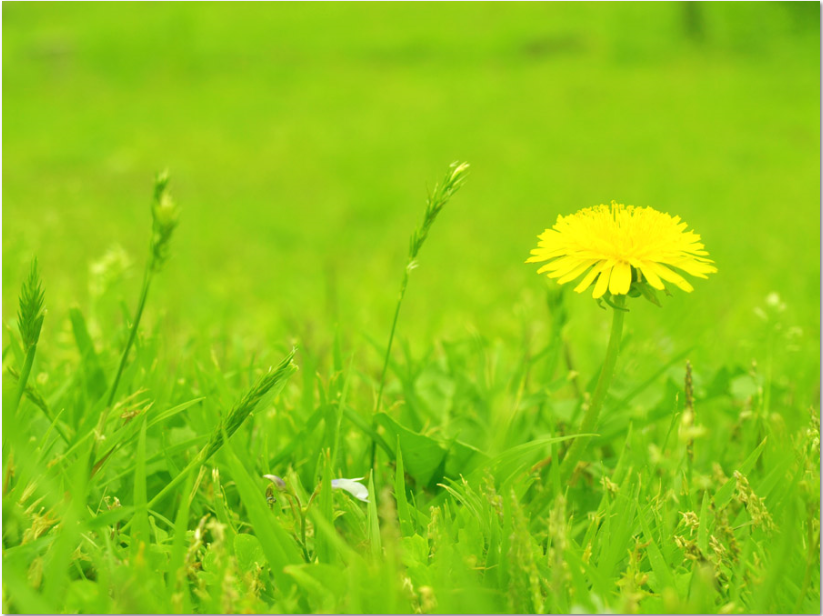
大草原のど真ん中で坐禅

大草原での座禅
見渡す限りGreen,Green, Green の大草原のど真ん中で結跏趺坐をし、静かに胸いっぱい空気を吸い込む。僕の胸の中に入ってくる物は唯の空気だが辺り一面の草原さえ同時に
入ってくるようにさえ感じる。体内に流入してきた新鮮な空気。それは前夜の夜露を含み清澄極まりなくみずみずしい透明感に溢れている。その空気は僕の体内の奥深くまで隅々にまで渡って行く。そして静かに長い時間をかけてその空気を
体内から吐き出す。そうした行為を繰り返し繰り返し行っていると僕の脳が作り出したあるべき姿、苦悩等の全ての産物
から解放され、ただ僕の生命のみが呼吸している様にさえ感じてくる。

万物の実相
万物の実相は無常だ。何一つとして永遠に留まるものはない。その絶対的真理を意識することは耐え難き苦痛をもたらす。だから僕たちは自己の不朽化を求め七転八倒する。しかしカーテンは既に引かれ理性はむき出しの存在の実相を見てしまったのだ。子供だましの幼稚な論理は説得力不足だ。相対的人生の目標は達成してしまったらそこで終わりだ。一生涯にわたり僕たちの心に意義と充実を与えることはできない。いずれ実存的不安感、老いと死という究極の問題
に立ち向かわねばならない。では一生涯にわたり僕たちの心に充実と平安を与える術はないのか?と、僕は自問する。
ある!
体得こそ唯一の
それは無常という絶対真理の中に自己の全存在を投げだし
僕という主人公を手放した時、大草原で経験したときの様な
平安があると


。その方向こそ禅が究極的に指し示す方向で嘘偽りのない生命そのものを生きることではないか?と最近僕は感じている。それは知的理解では修得できない。知的理解は実際の状況ではなんと弱弱しく頼りにならないことか?体得。これが唯一の僕と大草原という対象の溝を埋め生命の極相を実現できる道ではないか?日々の生活はともすればウンザリするほど単調になる。しかしそこが僕たちの一瞬一瞬の地盤だ。当たり前の事を当たり前の事として行う。それも意欲的に淡々と。人生の困難は体得の最高の肥やしだ。飛び込んでいこう。この無上の世の中に。無常人として。大草原とど真ん中で坐禅をしているが如くに。